Common Questions About Norweco Singulair Green Wantage NJ Answered
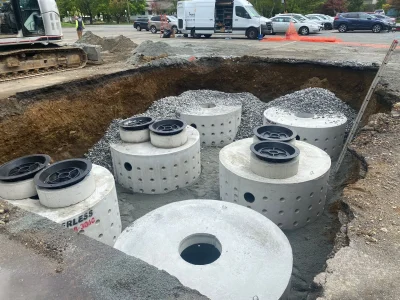

Homeowners in Sussex County tend to ask practical questions about septic systems. They do not want theory for theory’s sake. They want to know what a system does, what it costs to maintain, how often it needs service, whether it can handle a full household, and what problems to watch for before a small issue becomes a very expensive one.
That is especially true when the conversation turns to the norweco singulair green Wantage NJ search that so many property owners make when they are comparing treatment options, replacing an aging system, or trying to understand what is already installed at a home they are buying. The name comes up often because Norweco systems are designed differently from a basic gravity septic setup, and that difference matters in an area like Wantage, where lot conditions, groundwater concerns, and local approval requirements can all shape what is practical.
If you have heard the term but are not sure what it really means, the best way to think about it is this: a Norweco Singulair Green system is a type of advanced treatment unit. It treats wastewater more actively than a conventional septic tank alone. That added treatment can make a system suitable for sites where a standard setup may not be enough or may not be permitted.
The questions below are the ones property owners ask most often, along with the kind of straight answer they usually need.
What is a Norweco Singulair Green system, exactly?
A Norweco Singulair Green system is an aerobic wastewater treatment system. Unlike a conventional septic tank, which relies mostly on settling and passive anaerobic breakdown, this kind of unit introduces air into the treatment process. That extra oxygen supports bacteria that break down waste more efficiently. The result is a higher level of treatment before water moves on for final dispersal.
In plain language, it acts more like a compact treatment plant for a single property than a traditional tank buried and left alone. The wastewater still begins with the basics, solids separate and biological treatment starts, but the process is more controlled and more active. That is the core reason people choose it.
For a homeowner, the difference shows up in a few ways. Effluent quality is generally better. Site flexibility can improve. Ongoing maintenance becomes more important. And because there are mechanical components involved, the system needs power and periodic professional attention.
Why would someone in Wantage, NJ need one instead of a standard septic system?
This is where local conditions matter. Not every property in Wantage will need an advanced treatment unit, but some absolutely benefit from one.
Northern New Jersey properties can present challenges that make simple septic designs difficult. Shallow soils, seasonal high water tables, smaller lots, older homes being expanded, and stricter environmental expectations can all push a project toward advanced treatment. In some cases, an existing failing system cannot be replaced with the same old design because current standards are different from what was allowed decades ago.
A homeowner may also run into this during a property sale. A home that has worked “well enough” for years may suddenly face scrutiny when an inspection reveals outdated components, hydraulic overloading, or signs that the field is no longer dispersing properly. At that point, a Norweco system may enter the conversation as a modern replacement option.
I have seen this happen most often with homes that were built when lot layouts were simpler and code expectations were looser. A family adds bedrooms over the years, water use increases, and eventually the original system no longer matches the real demand on the property. That does not always mean disaster, but it often means the old assumptions no longer hold.
Is Norweco Singulair Green a good fit for year round homes?
Usually, yes, provided the system is properly sized, properly installed, and properly maintained.
A year round household is generally a stable use case. Predictable wastewater flow helps biological treatment stay consistent. Daily use from showers, laundry, dishwashing, and normal bathroom activity gives the system a steady operating pattern. Advanced treatment units tend to perform best when they are not being shocked by abuse and not being left stagnant for long periods.
That said, “good fit” is not the same thing as “set it and forget it.” A conventional septic tank can tolerate neglect longer than an aerobic unit, though not without consequences. A Norweco system asks more from the owner. It wants electricity, service checks, and a realistic understanding of what can and cannot go down the drain.
For full time households that understand that trade off, the fit is often very good.
What about vacation homes or properties with intermittent use?
This is one of the more important edge cases. Intermittent occupancy can be workable, but it deserves an honest conversation.
Aerobic systems rely on living biological activity, and that activity prefers steady conditions. A house that sits empty for weeks and then hosts eight people for a long weekend creates a very different operating profile than a home occupied every day by a family of four. That does not automatically rule out the system, but it can affect performance, service recommendations, and how carefully the system needs to be monitored.
If a property in Wantage is used seasonally, the installer or service provider should evaluate the expected occupancy pattern, not just the bedroom count. On paper, two homes may look similar. In reality, one may produce smooth daily flow and the other may swing from zero usage to heavy weekend demand. Those details matter.
How is it different from a traditional septic tank and leach field?
The simplest answer is that a traditional septic system mainly separates solids and sends partially treated wastewater to the disposal field. A Norweco Singulair Green unit treats the wastewater more thoroughly before it gets that far.
That distinction affects design, maintenance, and expectations.
A standard septic tank has fewer moving parts. In many homes, it can go unnoticed for years, though that quiet can be misleading because neglect still catches up eventually. A Norweco system includes treatment components that are more active and often more efficient, but that added performance comes with added oversight.
One of the biggest misunderstandings I hear is this idea that a better treatment unit means homeowners can be careless. The opposite is closer to the truth. Advanced systems can solve site limitations and improve treatment quality, but they reward attentive ownership. They are not a license to pour anything down the drain or ignore service schedules.
Does a Norweco system smell?
When functioning properly, it should not create persistent foul odors around the home.
Septic odors are usually a sign that something is wrong, though not always with the treatment unit itself. Odors can come from plumbing vent issues, overloaded conditions, clogged air components, failed mechanical parts, neglected sludge removal, or problems in norweco singulair green Wantage NJ downstream dispersal areas. Sometimes the treatment device gets blamed for what is actually a broader system issue.
A well maintained aerobic unit often has less odor potential than a failing conventional septic setup. But if you notice a strong sewage smell outdoors, especially one that lingers near the tank, discharge point, or yard surface, it deserves attention. Odors rarely improve on their own.
How often does it need maintenance?
More often than a basic tank, and that is normal.
Exact service intervals depend on local requirements, manufacturer recommendations, actual usage, and the design of the overall system. In practice, many advanced treatment systems are inspected several times per year or at intervals set by a service contract. The purpose is not just to “check a box.” The technician is usually assessing aeration, sludge levels, component function, alarms if present, and the general health of the unit.
Pumping intervals vary. They depend on tank capacity, household size, water use habits, and solids loading. There is no responsible one size fits all number here. Some homes may need sludge removal on a schedule that feels relatively frequent, while others can go longer between pump outs. The wrong move is guessing.
This is where homeowner expectations need to be realistic. If someone wants the lowest possible involvement after installation, an advanced aerobic system may feel demanding. If someone needs higher treatment because of site conditions, the maintenance is simply part of owning the right tool for the job.
Does it use electricity?
Yes. That is one of the defining differences between this type of system and a conventional septic tank.
The electrical demand is not usually enormous, but it is not optional. Components such as aeration equipment rely on power to do their job. If power is interrupted briefly, that may not cause immediate visible trouble. If outages are prolonged or repeated, treatment quality can suffer, and recovery may not be instant.
In rural and semi rural areas, where storms can knock out power for a while, this is worth discussing ahead of time. Homeowners who already keep backup power for well pumps, refrigerators, or heating equipment often ask whether the wastewater system should be part of that plan. In many cases, it is a smart question.
Is it expensive to operate?
“Expensive” depends on what you compare it to.
Compared with an old gravity system that has no mechanical parts and receives minimal service, operating costs will be higher. You have electricity use, routine inspections, and service calls over time. Compared with the cost of repeated septic failures, emergency pumping, yard damage, or replacing an unsuitable system twice because the first fix was undersized or poorly matched to the site, the numbers can look very different.
The wiser way to evaluate cost is to separate upfront installation from long term ownership. A lower bid today can become an expensive headache if the system is poorly designed, hard to service, or not truly appropriate for the lot. On the other hand, a well selected Norweco installation may provide years of reliable operation if the owner takes maintenance seriously.
I have seen plenty of homeowners focus too heavily on initial price and too little on service access, parts availability, and who will actually maintain the unit five years later. That is not a small detail. It is often the detail that determines whether ownership feels manageable or frustrating.
How long does a Norweco Singulair Green system last?
The tank and structural components can last a long time if they are well installed and not abused. Mechanical and electrical parts have shorter life cycles and should be expected to need repair or replacement over time.
That is true of almost any system with moving components. Blowers, compressors, controls, floats, and related parts do not last forever. Their lifespan depends on usage, environment, weather exposure, maintenance quality, and sometimes simple luck. A unit that receives regular professional service often gives warning before a major failure. A neglected one may not.
A fair expectation is not that every part will run indefinitely. A fair expectation is that the system as a whole can provide long service if it is treated as equipment rather than as invisible infrastructure.
Is it safe for the environment?
When designed, installed, and maintained correctly, advanced treatment systems exist largely because they can improve wastewater treatment performance. That is their whole purpose.
Better treated effluent can reduce the burden on the soil dispersal area and help protect groundwater quality. In sensitive areas, that matters a great deal. This is one reason advanced systems are often considered where conventional options are limited or not desirable.
But it is important not to oversimplify. No onsite wastewater system is “environmentally friendly” by magic. Performance depends on actual field conditions, proper loading, and maintenance over time. A neglected advanced unit is not environmentally protective just because the name sounds sophisticated. Real performance comes from correct operation.
What signs suggest the system needs service?
Homeowners should pay attention to changes, even subtle ones. A septic system usually gives hints before it gives a full crisis.
Common warning signs include slow drains throughout the house, sewage odors outdoors, wet or unusually green areas above parts of the system, alarms if the unit is equipped with them, or plumbing backups during normal use. Sometimes the first clue is less dramatic, a toilet that gurgles when a washing machine drains, or a patch of lawn that never seems to dry out while the rest of the yard does.
One Sussex County homeowner once described the earliest symptom perfectly: “Nothing looked terrible, it just stopped acting normal.” That is often how these issues begin. The change may be small, but normal matters. If the system has always handled a household routine without complaint and then starts reacting, that is worth investigating.
Can homeowners service it themselves?
They can handle basic care, but they should not assume that routine care equals full service.
A homeowner can certainly help the system by using water wisely, avoiding grease, keeping wipes and hygiene products out of the plumbing, and paying attention to alarms or unusual symptoms. They can also keep lids accessible and maintain clear records of service visits.
What they should not do is improvise around electrical components, treatment settings, or pumping needs without training. Advanced wastewater systems are not the place for casual experimentation. Mistakes can affect treatment quality, property sanitation, and compliance with local requirements.
There is a difference between being an informed owner and being your own technician. The first is smart. The second can get expensive fast.
What should never go into the system?
This is one of the most practical questions because small daily habits make a huge difference over time. Even a robust treatment unit can be undermined by what enters it.
Here are the materials most likely to cause trouble:
- Wipes, paper towels, and hygiene products that do not break down quickly
- Fats, oils, and grease from cooking
- Harsh chemicals in large quantities, including solvents and paint products
- Excessive bleach or antibacterial products used far beyond normal household amounts
- Medications and other substances that can disrupt biological treatment
That list is not exotic. It is everyday stuff. The problem is that “flushable” claims on packaging do not always match how septic systems behave in the real world. I have seen pumps fouled and treatment performance disrupted by products homeowners genuinely thought were safe because the label implied it.
Does using one mean you can do more laundry or use more water?
No. Better treatment is not the same thing as unlimited hydraulic capacity.
Every onsite wastewater system has a design flow. If you exceed it consistently, you strain both the treatment unit and whatever dispersal system receives the treated effluent. This is especially relevant in large households, short term rental situations, or homes with old fixtures that use more water than expected.
Spacing out water use helps. So does fixing leaking toilets quickly. A single running toilet can quietly add hundreds of gallons over time and create conditions that look like a mysterious septic failure when the real problem was inside the bathroom.
The homeowners who do best with advanced systems are usually the ones who understand that capacity is a design issue, not a marketing promise.
How does installation work in Wantage, NJ?
Installation is not just a matter of dropping a tank in the ground. It usually involves site evaluation, design work, permitting, excavation, component installation, electrical work, inspection, and startup procedures. The exact process depends on the property and the local authority overseeing approvals.
In a place like Wantage, layout matters. So do grading, setbacks, soil conditions, and winter timing. A site that looks straightforward from the road can become much more complex once test results and property constraints are considered. This is one reason reputable installers ask a lot of questions early. They are not being difficult. They are trying to avoid expensive surprises after permits or excavation begin.
For homeowners searching norweco singulair green Wantage NJ, the important point is this: local familiarity counts. A contractor who understands regional soil behavior, inspection expectations, and service logistics will usually be better equipped than someone offering a generic pitch.
Is this a good option when buying a home?
It can be, provided you know what you are buying.
An advanced treatment system should not scare off a buyer, but it should prompt better questions. Ask for service records. Ask who has maintained it. Ask whether any alarms, repairs, or pump replacements have occurred recently. Ask when the tanks were last pumped and whether any component upgrades have been recommended.
This is one place where documentation matters a lot. A seller who can show consistent maintenance norweco singulair green Wantage NJ usually inspires confidence. A seller who says, “It has been fine, we never really did anything with it,” may be describing neglect rather than reliability.
During due diligence, buyers should also understand that ownership will include ongoing service. If that expectation fits the household, the system may be perfectly acceptable. If the buyer expects zero involvement, the learning curve may feel steep.
Are service contracts worth it?
In most cases, yes.
For an advanced treatment unit, a service relationship is not just administrative paperwork. It creates a rhythm of inspection and a point of accountability. Small issues get caught earlier. Performance stays more consistent. Records are easier to maintain. If a part begins failing, there is a better chance someone notices before the yard turns into the warning sign.
The value becomes especially clear in the second, third, and fourth years of ownership, when the novelty of the system has worn off and homeowners are busy with everything else in life. Maintenance that is scheduled tends to happen. Maintenance that depends on memory tends to slide.
What is the biggest misconception about the Norweco Singulair Green system?
The biggest misconception is that advanced means effortless.
People often hear that a system provides higher quality treatment and assume it must also be more forgiving. In reality, advanced onsite wastewater treatment usually means more precision, more moving parts, and more responsibility. It may solve problems that a conventional system cannot solve, which is a real advantage. But it does not erase the fundamentals. Wastewater still needs sensible use patterns, periodic pumping, trained service, and prompt attention when symptoms show up.
That is not a drawback so much as a reality check. For the right property, a Norweco unit can be a very strong solution. It just works best for owners who respect what it is.
The question that matters most before you decide
The smartest question is not “Is this the best system on the market?” It is “Is this the right system for this specific property and this specific household?”
Those are not the same question. A strong design on one lot can be the wrong choice on another. A system that suits a full time family may not be ideal for a lightly used second home. A lower maintenance preference may point one way, while site constraints may point another.
If you are researching norweco singulair green Wantage NJ, you are probably already beyond the stage of casual curiosity. You are likely comparing options, replacing an older setup, or trying to make sense of what a home purchase involves. At that point, broad internet advice only goes so far. The right next step is usually a careful review of the property, the expected wastewater load, local requirements, and the service support available after installation.
That is where good decisions get made, not from slogans, but from fit, maintenance discipline, and a clear understanding of how the system will actually be used.
Excavating New Jersey LLC
406 County Rd 565
Wantage, NJ 07461, United States
Phone: +1 (973) 791-4284
FAQ About norweco singulair green Wantage NJ
How does a Norweco septic system work?
Singulair Green uses aerobic biological treatment in a polyethylene tank, followed by settling and filtration. The treatment unit is one part of a complete wastewater system; the site design also determines how treated effluent is dispersed.
How much does a Norweco septic system cost in NJ?
A useful estimate requires a property evaluation. Excavation access, soil conditions, engineering, electrical work, the disposal field, and restoration can affect the total. Ask Excavating New Jersey LLC for a written scope that distinguishes installation costs from ongoing service costs.
Are Norweco septic systems good?
Singulair Green is an established aerobic treatment option, but suitability depends on the property and proposed design. Compare the model's documented performance, maintenance needs, and total project scope with alternatives before deciding.