How Norweco Singulair Green Fits the Needs of Wantage NJ Homeowners
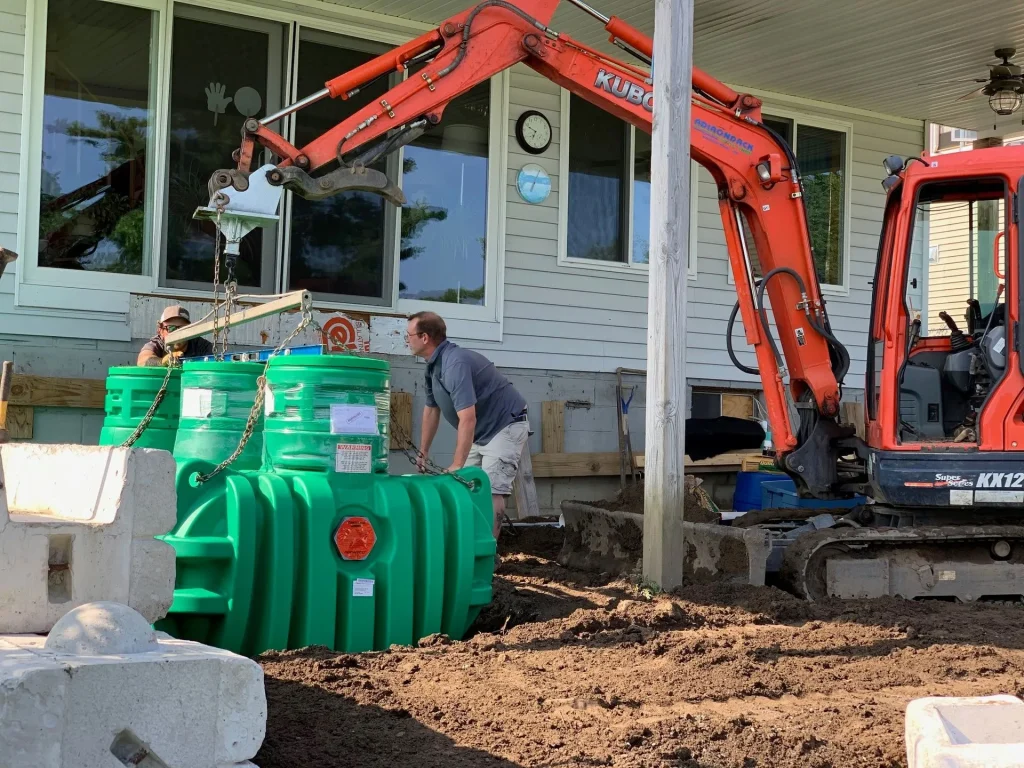
For many homeowners in Wantage, wastewater treatment is not an abstract infrastructure topic handled somewhere out of sight by a municipal utility. It is part of the property itself, as real and consequential as the well, the driveway, or the roof. In rural and semi-rural parts of Sussex County, that changes the buying decision. A septic system is not just a code requirement. It is a long-term operating system for the house, one that has to work through wet springs, frozen winters, family gatherings, power outages, and the slow wear that comes with years of daily use.
That is where a system like the Norweco Singulair Green enters the conversation. Homeowners looking into norweco singulair green Wantage NJ options are usually trying to solve a practical problem. Sometimes the lot is constrained. Sometimes an older septic system is failing or no longer matches modern household use. Sometimes the home addition that looked simple on paper becomes more complicated once wastewater capacity is part of the discussion. And sometimes the owner simply wants a more advanced treatment approach than a conventional tank-and-field setup can provide on its own.
The Singulair Green is an aerobic treatment system, which means it treats wastewater with the help of oxygen and mechanical components rather than relying only on passive settling and anaerobic digestion. On the right property, and with the right design around it, that can make a meaningful difference. It can improve effluent quality, support difficult site conditions, and offer more flexibility for homes where a standard system is not the best fit. It is not a magic box, and that distinction matters. It still needs proper design, installation, electrical service, and ongoing maintenance. But in a place like Wantage, where property conditions can vary sharply from one lot to the next, flexibility has real value.
Why Wantage homeowners often need more than a basic septic approach
A conventional septic system works well when the site gives it room and favorable conditions. That usually means suitable soil, adequate separation distances, the right topography, and enough area for both the primary disposal field and reserve area. In many suburban developments, that formula is easier to satisfy. In older rural communities, it can be less straightforward.
Wantage has the kind of housing stock and lot variety that often complicates septic planning. Some homes sit on generous acreage, but size alone does not guarantee a simple design. A large lot may still have wetlands, slopes, shallow limiting zones, awkward grading, bedrock concerns, or poor native soil in the wrong place. Other properties were developed decades ago and are now being renovated, expanded, or converted for year-round use after changes in occupancy patterns. A cabin that once saw light weekend use may now support a full-time household with more laundry, more showers, and more water moving through the system every day.
That difference between historic use and current use matters. I have seen homeowners assume the old system must be adequate because “it has always worked,” only to discover that it worked under much lighter demand, or worked poorly in ways nobody fully tracked. Slow drains, soggy areas in the yard, intermittent odors, and frequent pumping are often treated as nuisances instead of warning signs. By the time a real estate transaction or permit application forces a closer look, the underlying limitations are hard to ignore.
An advanced treatment unit can create options in situations where a conventional design either cannot be approved or would require a larger, more complex field arrangement. The attraction is not only treatment quality. It is what that improved treatment quality can allow a designer to do within the broader septic plan, subject to local rules and site conditions.
What the Norweco Singulair Green is really designed to do
At its core, the Singulair Green is built to treat household wastewater to a higher standard than a basic septic tank alone. Wastewater enters the system and moves through treatment stages that promote aerobic biological activity. Air is introduced mechanically, which supports microorganisms that break down waste more efficiently than anaerobic conditions alone. Clarification and final treatment steps help produce cleaner effluent before it reaches norweco singulair green Wantage NJ the disposal area or any downstream component required by the approved design.
For homeowners, the practical takeaway is simple. Cleaner effluent places a different load on the soil treatment area than untreated or partially treated septic tank discharge. That does not eliminate the need for soil-based disposal unless the specific engineered plan says otherwise, but it can improve the performance framework of the entire system.
This is one of the reasons systems like the Singulair Green are often considered on challenging lots. A good septic designer is not shopping for complexity for its own sake. Most would gladly install a straightforward conventional system if the site supports it cleanly and cost-effectively. Advanced treatment tends to enter the picture when the site, the planned house use, or the regulatory requirements make conventional treatment less attractive or less feasible.
The local fit: where an aerobic system makes sense in Wantage
The best use case for a Norweco Singulair Green in Wantage is not “every house should have one.” That would be too broad, and it would not be responsible advice. The better answer is that it fits particularly well when a property needs more treatment performance and more design flexibility than a standard system offers.
A few scenarios come up repeatedly in real projects. One is the replacement of an aging or failing system on an existing lot where there is limited room to work. Older homes were not always built with modern septic reserve requirements in mind, and over time, site constraints multiply. Decks get added, driveways expand, sheds appear, and landscaping matures. Suddenly the space available for replacement is tight. An advanced treatment unit may help the engineer and installer make better use of that constrained footprint.
Another common case involves additions or changes in bedroom count. A homeowner wants to finish space over the garage, convert an office into a legal bedroom, or build an in-law suite. The septic system must support the revised design flow. If the existing setup is marginal, the project can stall unless the wastewater plan is upgraded. Systems like the Singulair Green are often part of the solution when the owner wants to preserve the project rather than scale it back.
Then there are lots with environmental or physical constraints. Sloping ground, seasonal wetness, and variable soils can all push a design toward more advanced treatment. The cleaner the effluent entering the dispersal component, the more tools the designer may have available, subject to code and site evaluation. That does not remove the need for careful engineering. It makes careful engineering more worthwhile.
Performance is only part of the story
Homeowners often focus first on treatment quality, and that is understandable, but day-to-day ownership matters just as much. A system can look excellent on a proposal and still be the wrong fit if the owner expects it to behave like a buried concrete tank that can be ignored for years at a time.
The Singulair Green is an active mechanical system. That means it relies on electrical components and ongoing service. There are blowers, controls, and other parts that need periodic inspection. There are service intervals to follow. There are alarms to pay attention to. If you lose power, the system does not stop being a septic system, but its treatment process is affected because the aeration and mechanical functions are interrupted.
For the right homeowner, this is not a drawback so much as a different ownership model. Plenty of people are comfortable maintaining equipment as long as expectations are clear. A homeowner with a standby generator, a realistic maintenance budget, and an understanding of how the system operates may find the Singulair Green perfectly reasonable. A homeowner who wants a system they never have to think about may struggle with the discipline advanced treatment requires.
That tension is worth stating plainly because it saves frustration later. The best septic system is not always the most sophisticated one. It is the one that matches the site, the house, and the owner’s willingness to maintain it properly.
The cost question homeowners inevitably ask
No careful professional should quote system pricing in the abstract because the treatment unit is only one part of the total project cost. Excavation, soil conditions, electrical work, pumps, control panels, distribution components, permits, engineering, restoration, and site access all affect the final number. A difficult replacement on a tight developed lot can cost significantly more than a new installation with easy access and favorable conditions, even if the treatment unit is identical.
What homeowners should understand is that an advanced treatment system usually costs more up front than a basic conventional setup, and it usually costs more to maintain over time. That does not automatically make it a worse value. If it enables a buildable design, saves a renovation, solves a compliance issue, or performs more reliably under site limitations, it may be the most economical option available in the real sense of the word. Economical does not always mean cheapest. Often it means the least expensive path that actually works.
I have seen homeowners spend months trying to force a conventional answer onto a site that clearly called for something more robust. By the time they paid for redesigns, delayed permits, and partial exploratory work, the “lower cost” option was no longer lower cost at all. A candid early conversation with a septic designer or installer often saves both money and stress.
How the system fits into permitting and design
In New Jersey, onsite wastewater systems are not something a homeowner should improvise. The treatment unit has to be part of an approved system design that reflects the property’s actual conditions and the applicable local and state requirements. In Wantage, that means the process should start with site evaluation and qualified design work, not with ordering a piece of equipment because it sounds advanced.
A good process usually begins with the property itself. Soil testing, review of setbacks, topography, groundwater considerations, and the intended use of the home all shape the options. Once the designer understands the site, the question becomes whether a conventional system is viable, whether an advanced treatment unit is warranted, and how the disposal field or other downstream components should be configured.
This sequencing matters because homeowners sometimes reverse it. They read about a product, decide it must be the answer, and then look for a design to justify it. That approach can waste time. The better method is to let the site drive the system choice. If the answer happens to be a Norweco Singulair Green, the recommendation will hold up better because it emerged from the property’s actual constraints and goals.
Maintenance is where good systems keep their reputation
A common misconception is that septic problems are mostly installation problems. Installation quality is hugely important, but maintenance is what determines whether a good system stays good. The Singulair Green, like other aerobic treatment units, rewards consistency. When serviced on schedule, monitored properly, and protected from misuse, it can perform very well. When neglected, even a well-designed installation can start to disappoint.
The misuse issue deserves more attention than it usually gets. Homeowners sometimes treat advanced systems as if extra treatment capacity means anything can be flushed or drained without consequence. That is not how biology works. Harsh chemicals, excessive grease, wipes, hygiene products, and unpredictable hydraulic surges can all interfere with treatment and downstream dispersal performance. A more advanced unit is not a license to be careless.
The households that tend to do best with these systems are not necessarily technical households. They are attentive households. They notice alarms, keep service appointments, pump when recommended, manage water use sensibly, and avoid introducing things that do not belong in wastewater. That sounds basic, but it makes a visible difference over the life of the system.
Winter, storms, and power reliability in northern New Jersey
Wantage homeowners know that utility reliability and weather are not theoretical concerns. Winter conditions, wind events, and storm-related outages all influence how a mechanically assisted treatment system fits into a property plan. This does not disqualify the Singulair Green, but it should shape expectations.
If a property already has backup power for the well and key house systems, integrating septic considerations into that setup is often wise. If there is no backup power, the owner should ask direct questions about what short-term outages mean operationally, how alarms function, and what usage habits make sense during interruptions. Most homeowners can manage occasional outages if they understand the system, but it is far better to learn those details before a storm than during one.
Cold weather itself is usually less of a problem than poor siting, shallow vulnerable piping, or irregular winter occupancy. Homes that sit vacant for stretches can present their own pattern of challenges, especially if return-to-use periods involve abrupt heavy loading. The design and service team should know how the home will actually be used, not just how many bedrooms are on the plan.
When the system is an especially strong match
The Norweco Singulair Green tends to stand out most clearly in a few property situations:
- Existing lots where replacement options are limited by space or site constraints.
- Homes seeking additions or bedroom count changes that strain the current septic capacity.
- Properties with difficult soils, slopes, or environmental limitations that benefit from higher-quality effluent.
- Owners who are comfortable with scheduled service and the responsibilities of an active treatment system.
- Projects where preserving usability of the lot matters as much as meeting the minimum code threshold.
Even in those cases, the right answer still depends on design details. The point is not that these conditions guarantee a Singulair Green recommendation. It is that they are the kinds of conditions where the system often deserves a serious look.
Questions worth asking before moving forward
A homeowner evaluating norweco singulair green Wantage NJ options should not stop at product brochures. The more useful questions are practical and site-specific. Ask how the unit integrates with the full disposal design. Ask what service is required annually and who provides it locally. Ask what power interruptions mean on your property. Ask how the system fits current household use and any likely future expansion. Ask what warning signs to watch for and what routine pumping schedule is realistic.
It is also worth asking what the alternatives are. A trustworthy contractor or designer should be able to explain not only why the Singulair Green works, but why other options were rejected or ranked lower. Sometimes the answer will be treatment performance. Sometimes it will be footprint. Sometimes it will be long-term operating simplicity. When professionals can explain trade-offs clearly, homeowners make better decisions.
One of the best project meetings I ever watched involved a designer laying out three viable paths for a difficult rural property. He did not sell the most expensive option by default. He walked the owners through how each design would affect yard use, maintenance, installation disruption, and future flexibility. They chose the more advanced system because it fit their long-term plans, not because the name sounded impressive. That is exactly how these decisions should be made.
What homeowners should keep in perspective
A septic system is easy to undervalue because, when it works, it stays mostly invisible. But on a home outside centralized sewer service, it is one of the most important systems on the property. It affects resale, renovation plans, household comfort, and regulatory compliance. If the site is straightforward, a conventional system may remain the smartest path. If the site is constrained or the home’s needs have outgrown what is there, a system like the Norweco Singulair Green can be an excellent fit.
For Wantage homeowners, the value of the Singulair Green lies in its ability to meet real-world rural property challenges with a more advanced treatment approach. Its strengths are clear: improved effluent quality, better suitability for certain difficult sites, and useful flexibility when ordinary septic layouts fall short. Its obligations are equally clear: professional design, proper installation, routine service, and an owner who respects the fact that good wastewater treatment is an ongoing process, not a one-time purchase.
That balance is what makes the system worth considering. Not because it is high-tech for its own sake, but because on the right Wantage property, it helps a house function well where simpler options may not.
Excavating New Jersey LLC
406 County Rd 565
Wantage, NJ 07461, United States
Phone: +1 (973) 791-4284
FAQ About norweco singulair green Wantage NJ
How does a Norweco septic system work?
Singulair Green uses aerobic biological treatment in a polyethylene tank, followed by settling and filtration. The treatment unit is one part of a complete wastewater system; the site design also determines how treated effluent is dispersed.
How much does a Norweco septic system cost in NJ?
A useful estimate requires a property evaluation. Excavation access, soil conditions, engineering, electrical work, the disposal field, and restoration can affect the total. Ask Excavating New Jersey LLC for a written scope that distinguishes installation costs from ongoing service costs.
Are Norweco septic systems good?
Singulair Green is an established aerobic treatment option, but suitability depends on the property and proposed design. Compare the model's documented performance, maintenance needs, and total project scope with alternatives before deciding.