The Pros and Cons of Choosing Norweco Singulair Green
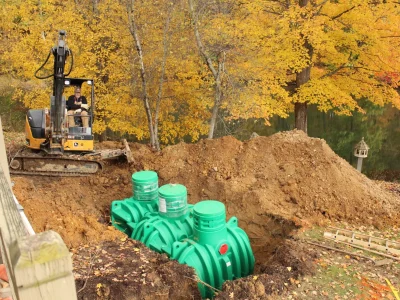
Choosing a residential wastewater treatment system rarely feels simple, even for homeowners who are comfortable comparing technical equipment. Septic decisions carry a different kind of pressure. If the system is wrong for the site, under-sized for the home, or poorly maintained after installation, the consequences show up where nobody wants them: in the yard, in the plumbing, in permit headaches, and eventually in repair bills that climb fast.
That is why the conversation around norweco singulair green tends to be more nuanced than the sales literature suggests. It is not just a tank. It is an aerobic treatment system with mechanical and electrical components, performance expectations, and maintenance obligations that differ significantly from a conventional gravity septic setup. For the right property, it can solve a very real problem. For the wrong owner, it can become a source of frustration simply because it asks more of the user than they expected.
I have seen both sides of that story. Systems like this can be a practical answer on difficult lots, especially where soil conditions, high groundwater, small footprints, or stricter discharge standards limit the options. They can also become expensive disappointments when homeowners think they are buying a set-it-and-forget-it appliance. The truth sits somewhere in the middle, and that middle is where most good decisions get made.
What the Norweco Singulair Green actually is
At a basic level, the Norweco Singulair Green is an aerobic treatment unit designed to treat household wastewater more intensively than a standard septic tank alone. A conventional septic system depends heavily on the tank for solids separation and then on the drain field and soil for final treatment. An aerobic unit adds oxygen and active treatment processes to improve effluent quality before discharge to a secondary component, often a dispersal field or another approved outlet depending on local regulations.
That distinction matters. When people compare systems, they often compare tank size, installation price, and whether one option requires electricity. Those factors matter, but they are not the whole picture. The more useful comparison is this: what level of treatment does the site require, and what kind of owner is going to be responsible for keeping that treatment level consistent year after year?
Aerobic treatment units are often selected because the property itself is challenging. Tight lot lines, shallow soils, poor percolation, seasonal water tables, or environmental rules near lakes, streams, and coastal areas can push designers away from a standard septic layout. In those situations, a system that produces cleaner effluent may create options that otherwise would not exist.
Why some properties genuinely benefit from it
A well-sited conventional septic system is hard to beat for simplicity. But not every lot allows one. I have worked with homeowners who assumed a standard system was the automatic budget choice, only to find that the engineering changes needed to force one onto the site made the total project less attractive than an aerobic alternative.
The Norweco Singulair Green often enters the discussion in exactly those cases. If a property has limited usable area, difficult soils, or local treatment requirements that exceed what a basic septic tank can reasonably support, a higher-treatment system can preserve the ability to build, renovate, or add bedrooms. That is not a minor advantage. In some cases, it is the difference between a permit being issued or denied.
There is also a practical environmental argument. Better-treated effluent generally means lower organic loading and reduced strain on the downstream dispersal area. That does not make the system immune to failure, but it can improve performance when design and maintenance are both handled correctly.
The strongest advantages
The biggest pro is improved treatment quality. That sounds abstract until you connect it to real-world use. Cleaner effluent can help where public health norweco singulair green departments or environmental agencies require tighter controls. It can support installation on sites where a conventional septic system might be oversized, heavily engineered, or simply not permitted. If the property is near sensitive water resources, that treatment improvement may be more than a nice feature. It may be central to compliance.
Another meaningful advantage is flexibility in design. Advanced treatment systems often give engineers and installers more options when working around obstacles such as wells, setbacks, topography, and poor native soils. Homeowners on narrow or awkward parcels often underestimate how valuable that flexibility is until they see the first site plan that actually works.
There is also a space argument. Because aerobic treatment can improve effluent quality before dispersal, some site designs can be more compact than conventional alternatives, though the exact layout depends on code, soil conditions, and local approval. I have seen this matter on rural infill lots and lake properties where every usable square foot is already committed to setbacks, driveways, and structures.
A less obvious benefit is predictability when the system is properly maintained. Conventional septic systems can fail quietly for years because homeowners do not inspect them often enough. Aerobic systems are not maintenance-free, but their service structure sometimes means problems are identified earlier. If there is a service agreement, regular inspections can catch issues before they become complete failures. That inspection rhythm can be a strength, especially for owners who prefer scheduled oversight to reactive emergencies.
Finally, systems like the norweco singulair green can appeal to homeowners who value treatment performance as part of the overall property investment. That motivation is common near waterfronts or in communities where environmental stewardship is not just a talking point but a daily reality. Clean operation matters more when discharge risks affect neighbors, private wells, or shared natural resources.
Where the downsides start to show
The first drawback is straightforward: complexity. A conventional septic system has very few moving parts. An aerobic treatment system adds equipment, controls, and power dependence. More components usually means more potential points of failure. Not constant failure, necessarily, but more things that require attention.
Electricity is part of that equation. If the unit needs aeration or mechanical treatment support, it will not operate the same way during a prolonged power outage. In areas with unstable electric service, that deserves real consideration. A short outage is one thing. Repeated outages or multi-day storm interruptions are another. Some homeowners shrug that off at purchase and only think about it later, when weather becomes a factor.
Maintenance is the second major downside, and in many cases the most important one. A system like this usually requires ongoing service, inspections, and periodic component attention that exceed what many people expect from “a septic system.” If someone is accustomed to the conventional model of pumping every few years and otherwise forgetting about it, the adjustment can be frustrating.
Cost follows closely behind maintenance. Upfront pricing for advanced treatment systems is often higher than a basic septic installation, though site constraints can narrow or reverse that difference. Beyond installation, there are recurring service costs, electricity costs, and eventual repair or replacement costs for mechanical parts. None of these are shocking in isolation. The problem comes when the buyer budgets for the install but not the long tail of ownership.
The final downside is owner behavior. Aerobic systems are not forgiving of misuse. Flush habits, cleaning chemicals, grease loading, water surges, and neglect all matter. A homeowner who treats the system carelessly may not see immediate consequences, which creates a false sense of security. Then the service call comes, or the alarm sounds, or the field starts showing signs of stress.
The ownership question matters as much as the equipment
I have come to believe that the best way to evaluate the Norweco Singulair Green is not by asking whether it is “good” in general. The better question is whether it matches the owner.
Some owners are ideal candidates. They keep records, respond quickly to service notices, understand that pumps and controls do not last forever, and are comfortable with preventive maintenance. They may already maintain a private well, irrigation equipment, a standby generator, or other property systems that reward routine attention. For them, an aerobic unit is simply one more managed utility.
Other owners want infrastructure that disappears into the background. They are not careless, but they do not want a system that requires more than minimal involvement. If that sounds familiar, the decision deserves extra scrutiny. A capable system can still be the wrong fit if the owner resents the maintenance model from the start.
That mismatch creates a pattern I have seen more than once. At installation, the advanced system is sold as the solution that “makes the lot work.” Technically, that may be true. But if the long-term service obligations are not explained with equal clarity, the homeowner feels blindsided later. The equipment did not fail conceptually. The sales process did.
Real cost, beyond the sticker price
People naturally focus on installation bids, but wastewater systems should be judged on lifecycle cost. That includes design, permitting, excavation, electrical work, service agreements, routine inspections, pumping, repairs, and the practical cost of failure if maintenance is deferred.
With a system like the norweco singulair green, some of those costs are easier to anticipate than others. Electricity use is typically not the largest line item, but it is continuous and worth acknowledging. Service visits may be mandated or strongly recommended depending on jurisdiction. Mechanical components eventually wear out. Controls, aeration equipment, and alarms are useful features, but they are not immortal.
The more difficult cost is the hidden one: delay. If a conventional septic issue is discovered early, the fix may be manageable. If an advanced system issue goes ignored because the homeowner does not understand the warning signs, the consequences can become broader. Poorly treated effluent can affect the downstream dispersal component, and once you are repairing multiple parts of the system, the budget moves quickly.
That does not mean the system is a bad financial choice. In some locations, it may be the most sensible option available, especially if it avoids extreme site work or preserves the ability to use the property as planned. It simply means the least useful question is, “What does it cost to install?” The better one is, “What will it cost to own well for fifteen to twenty years?”
Performance depends on installation quality more than many buyers realize
Even a strong treatment unit can disappoint if the design, installation, or startup is careless. This is one area where homeowners tend to place too much faith in the brand name alone. Equipment matters, but field conditions matter just as much.
A skilled designer accounts for wastewater flow, bedroom count, occupancy patterns, soils, drainage, setbacks, frost conditions where relevant, and how the treated effluent will be dispersed or discharged under local rules. A skilled installer handles elevations, connections, watertight integrity, compaction concerns, electrical details, access, and startup procedures properly. If any of those steps are sloppy, the system may still “work” at first, but long-term reliability suffers.
I once saw a case where the owner blamed the treatment unit for odor and nuisance alarms, when the actual problem traced back to poor installation and follow-up. The components were there, but the system had never truly been dialed in after startup. That is not unique to this brand or this category. Advanced wastewater systems are less tolerant of casual workmanship because the whole point is controlled treatment.
This is why contractor selection matters almost as much as the equipment choice. A good installer does more than place a tank. They explain service intervals, discuss household habits that affect treatment, document the as-built conditions, and make sure the owner knows who to call when something changes.
The practical pros and cons at a glance
For homeowners who want the short version before digging into site-specific details, the trade-offs usually look like this:
| Pros | Cons | | | | | Higher treatment level than a basic septic tank alone | More components, which means more maintenance | | Useful on difficult lots with soil or space limitations | Depends on electricity | | Can help satisfy stricter environmental or permit requirements | Usually higher ownership costs over time | | Regular service can catch issues earlier | Less forgiving of neglect or improper use | | May make a marginal site buildable or usable | Performance relies heavily on proper installation and follow-up |
That table is helpful, but it still leaves out the most important point: the “best” choice depends on the lot, the rules, and the owner.
Maintenance is not optional, and that should not be sugarcoated
This is the part some buyers wish had been stated more plainly at the start. If you choose an aerobic treatment system, routine maintenance becomes part of home ownership in a more visible way. That is not a flaw. It is the operating model.
Regular service usually involves checking components, confirming that treatment conditions are within expected parameters, evaluating sludge and scum accumulation, and making sure alarms or controls are functioning as intended. Pumping intervals vary with use, occupancy, and system design, but solids management still matters. Treated systems are not exempt from basic wastewater realities.
Household behavior matters too. Large hydraulic surges from long laundry days, leaking fixtures, garbage disposal overuse, grease, wipes, and harsh chemical dumping can all interfere with performance. Some of this is common sense. Some is not obvious to owners moving from city sewer service, where they have never had to think about what leaves the house.
The best service providers explain this without drama. The goal is not to make owners anxious. It is to help them understand that good performance comes from partnership between system design and everyday use.
When the Norweco Singulair Green makes sense
There are several situations where this type of system is often a sensible choice. One is the constrained rural lot, where a conventional septic layout either will not fit or would require expensive workarounds. Another is property near environmentally sensitive areas, where higher treatment quality has clear value. A third is the renovation project on an older parcel, where the home use is changing but the site limitations are not.
It also makes sense for owners who genuinely prefer monitored systems and are comfortable with professional service relationships. Not everyone wants low-intervention infrastructure. Some people would rather know their system is being checked routinely, especially if the property is a long-term hold or a high-value home where avoiding surprise failures matters.
In those settings, the added complexity can be a rational trade for better treatment and design flexibility.
When a simpler system may be the better answer
If the lot easily supports a well-designed conventional septic system, and local rules do not demand advanced treatment, the simpler option is often attractive for good reason. Fewer components generally means fewer service needs and less dependency on power and electronics. Simplicity has value, especially in remote areas, vacation properties, or homes where occupancy is irregular and maintenance follow-through may be inconsistent.
A simpler system may also be the better answer for owners who know they do not want ongoing service commitments. There is no shame in recognizing that preference. In fact, it is one of the healthiest realities to acknowledge before signing a contract. A modest system that fits the owner can outperform a technically superior one that gets neglected.
Questions worth asking before you commit
Before choosing a norweco singulair green, I would want clear answers to a few practical questions:
- Why is this system being recommended for this specific site, rather than a conventional alternative?
- What routine service is required or recommended, and who provides it locally?
- What are the likely annual ownership costs, including electricity and maintenance?
- How does the system behave during power outages or seasonal vacancy?
- What homeowner habits cause the most trouble, and what warning signs should never be ignored?
These questions sound basic, but they quickly reveal whether the proposal is grounded in thoughtful design or generic sales language.
The bottom line for most homeowners
The Norweco Singulair Green can be a strong solution when the property calls for higher treatment performance and the owner is prepared for active stewardship. Its advantages are real. It can open doors on difficult sites, support better effluent quality, and help satisfy environmental or permitting demands that a standard septic system cannot meet comfortably.
Its drawbacks are just as real. It is more complex, more maintenance-dependent, and often more expensive to own over time. It asks the homeowner to pay attention, or at least to stay engaged with a competent service provider. That is not a small condition. It is central to whether the system feels like a smart investment or an ongoing burden.
The best decisions I have seen around wastewater systems are rarely driven by brand loyalty alone. They come from an honest match between site conditions, regulatory requirements, installer competence, and owner temperament. If those pieces line up, a norweco singulair green can be exactly the right choice. If they do not, even a reputable advanced treatment system can feel like too much machinery for a problem that a simpler design could have solved.
Excavating New Jersey LLC
406 County Rd 565, Wantage, NJ 07461, United States
+1 973-791-4284
FAQ About norweco singulair green
How much does a NORWECO septic system cost?
The installed cost depends on the selected unit, engineering, site access, excavation, electrical work, disposal-field design and required approvals. A tank-only price is not a complete installation quote. Ask Excavating New Jersey LLC for a site-specific, itemized estimate that also explains ongoing service costs.
How does a Norweco septic system work?
The Singulair Green uses pretreatment, aeration, clarification and filtration to treat domestic wastewater. In the aeration chamber, oxygen supports bacteria that break down organic material. The Bio-Kinetic unit provides further filtration and flow equalization. Final effluent disposal must follow the property's approved design and applicable requirements.
What is the average lifespan of a septic system?
There is no guaranteed lifespan for every system. Design, installation, soil conditions, wastewater loading and regular maintenance all matter, and mechanical parts may need replacement before the tank. For a Singulair Green system, follow the manufacturer's service schedule and have a qualified provider assess its condition and pumping needs.