Understanding the Cost of Norweco Singulair Green in Wantage NJ
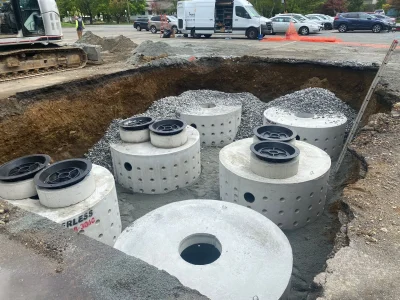


If you own property in Wantage, or you are planning to build on a lot that will need on-site wastewater treatment, the price of a treatment system is rarely a simple equipment number. That is especially true with a Norweco Singulair Green system. Homeowners often start by asking, “What does it cost?” but the more useful question is, “What will it cost on my property, under my site conditions, with local permits, excavation, electrical work, and long-term service included?”
That distinction matters because the same unit can land at very different final prices depending on the lot, the soil, the existing septic setup, and what the local health department or engineer requires. In Wantage, NJ, where many homes rely on private septic systems and site conditions vary from one property to the next, installed cost tends to be shaped by practical details far more than brochure pricing.
A Norweco Singulair Green system is generally considered an advanced treatment unit, often used where a standard septic system is not the best fit or where a property needs better effluent quality before discharge to the disposal field. People usually encounter it during new construction, a failed septic replacement, or a project on a constrained lot where engineering options are limited. The system itself is only one piece of the budget.
What a Norweco Singulair Green system actually is
At a basic level, the Norweco Singulair Green is an aerobic wastewater treatment system. Unlike a conventional septic tank that relies primarily on settling and anaerobic digestion, an aerobic unit introduces oxygen into the treatment process. That creates a more active biological environment and typically produces cleaner effluent before the water moves to the next stage of disposal.
From a cost standpoint, that added treatment performance comes with more components. There is usually a tank or treatment chamber setup, mechanical and electrical parts, controls, and service requirements that go beyond what a simple gravity septic tank needs. You are paying for treatment capability, not just storage.
That matters in Wantage because rural properties can be beautiful and challenging at the same time. Shallow soils, seasonal high water tables, slope constraints, and older developed lots can all push a project toward an advanced treatment design. When that happens, a system like the Norweco Singulair Green may move from “optional upgrade” to “practical solution.”
The realistic cost range in Wantage NJ
For most homeowners, the full project cost is what counts. Not the price of the unit sitting on a truck, but the total amount needed to get a permitted, functioning system in the ground and approved.
A reasonable planning range for a Norweco Singulair Green project in Wantage, NJ is often somewhere around the mid five figures once design, permits, installation, and site restoration are included. On straightforward sites, some projects may come in lower. On difficult sites, replacement jobs, or lots that need substantial engineering and disposal field work, the cost can climb notably higher.
In real terms, many owners find that a complete project may fall somewhere in the broad neighborhood of $20,000 to $40,000 or more, depending on scope. That is a deliberately wide range because anything tighter without a site review would be guesswork. A new build on open ground with easy access is one thing. Replacing a failed system near an existing home, driveway, trees, and utilities is another.
People are sometimes surprised that the treatment unit itself is only part of the story. Excavation, stone, piping, pumps if required, electrical connections, control panels, soil work, engineer involvement, permit fees, and the disposal field can add up quickly. If the site has tight access or needs imported material, costs shift again.
Why costs vary so much from one property to the next
The biggest pricing swings come from conditions under the grass, not from what is visible at the curb. Two neighboring homes in Wantage can have very different septic budgets because the subsoil, depth to limiting zones, and available replacement area are different.
Soil and groundwater conditions are often the first major variable. If the engineer discovers poor percolation, shallow rock, or seasonal saturation, the disposal side of the project becomes more complicated. A treatment system like Norweco Singulair Green may help address the treatment requirement, but it does not erase the need for a properly designed discharge or dispersal area.
Lot layout also drives cost. If the best available septic area sits far from the house, trenching distances increase. If access for equipment is tight, the installer may need smaller machinery or more hand work. Mature landscaping, fences, sheds, retaining walls, and paved surfaces all make the work slower and more expensive.
Then there is the question of whether this is a first-time installation or a replacement. New construction is usually cleaner from a logistics standpoint. Replacement work often means dealing with an occupied house, existing plumbing tie-ins, potential abandonment of old tanks, and a homeowner who understandably wants the yard put back together as quickly as possible. That kind of coordination has a cost.
Equipment cost versus installed cost
This is where many early budgets go off track. Homeowners hear a number for the treatment unit and assume that is close to the final total. It usually is not.
The unit itself is a major line item, but the installed cost wraps in a full chain of trades and approvals. A typical project may include engineering design, local permits, excavation, tank placement, plumbing connections, electrical hookup, startup procedures, grading, and final inspections. In some cases, pumping of an existing tank or removal of unusable components is also part of the job.
An experienced installer will usually price the work as a system, not just a product. That is the right way to think about it. Wastewater treatment is only useful when every part, from the house sewer to the final disposal area, functions together and satisfies code requirements.
The role of engineering and permitting in Wantage
In Sussex County communities like Wantage, septic projects are not simply dig-and-drop jobs. Engineering and health department review are often central to the process, and that affects cost both directly and indirectly.
Direct costs include site evaluation, system design, plan preparation, application fees, and possible revisions if the initial concept has to be adjusted. Indirect costs appear when a permit process reveals that the site needs a different layout, a larger disposal area, or a more advanced design than originally expected.
On some properties, the treatment system is not the hardest part. The hard part is proving that the treated effluent can be managed safely on the lot under local rules. That is why experienced local engineers are so valuable. They can often spot likely trouble points early, which keeps owners from chasing unrealistic budgets.
If you are pricing a norweco singulair green Wantage NJ project, it is wise to budget for professional design work from the beginning. Treat it as part of the project, not an add-on surprise.
Installation details that often add hidden cost
There are a handful of recurring items that regularly push a septic quote upward after the first conversation. None of them are unusual, but they catch people off guard if nobody discussed them early.
One is electrical work. Aerobic treatment systems typically need reliable power. If the treatment location is far from the house panel, trenching and wiring costs can become significant. If the electrical service is already crowded or outdated, the electrician may need to add a subpanel or make other upgrades.
Another is pumping. Some sites need a pump tank or effluent pump to move wastewater to the next stage. Gravity is always cheaper when it works, but not every lot allows for a fully gravity-fed layout. Pumps add equipment, controls, power use, and future maintenance.
Restoration is another budget norweco singulair green Wantage NJ excavatingnj.com area that gets minimized too often. After the system is installed, the yard still needs to be graded, seeded, and in some cases repaired more extensively if hardscape or drainage features were disturbed. If the installation crosses a driveway or established lawn, restoration can be a meaningful line item.
Winter conditions can also affect pricing. In northern New Jersey, frozen ground, snow cover, and wet seasonal conditions can slow work. A contractor may price differently if access is poor or if temporary measures are needed to protect the site during installation.
How Norweco Singulair Green compares with a conventional septic approach
For some properties, a standard septic tank and disposal field is still the least expensive route. If the lot has favorable soils, enough area, and straightforward permitting, conventional remains hard to beat on first cost.
The Norweco Singulair Green comes into the picture when conventional is not enough, or when better effluent quality helps unlock a workable design. In that situation, the comparison is not always “advanced system versus cheap system.” More often, it is “advanced system versus no feasible permit,” or “advanced system versus a far more extensive alternative.”
That is an important mental shift. I have seen owners focus on the premium tied to an aerobic treatment unit while overlooking the fact that the alternative may involve a much larger engineered disposal solution, relocation of other site features, or a building plan that has to be scaled back. On constrained lots, paying more for treatment can sometimes reduce cost or complexity elsewhere in the design.
The trade-off is long-term responsibility. A conventional septic tank is relatively passive. A Norweco Singulair Green has moving parts and ongoing service needs. Some owners are perfectly comfortable with that. Others would rather avoid anything mechanical if they have a choice.
Ongoing ownership costs matter just as much as purchase price
The installed price gets most of the attention, but long-term operating cost is part of the real value calculation. Aerobic treatment systems typically require regular inspections or service visits, and they consume electricity. They may also need periodic parts replacement over time.
In practical terms, homeowners should expect recurring service costs that are higher than those for a basic septic tank. The exact amount depends on the service agreement, local provider rates, and how the system is configured, but annual maintenance is not optional in the way many people assume septic pumping can be deferred. An advanced treatment unit performs best when it is monitored and maintained.
That does not mean the costs are unreasonable. It just means they are active costs, not passive ones. If a homeowner can afford the installation but has no appetite for annual service, then the fit may be poor unless the site leaves no other realistic option.
Electric use is usually modest in the context of an entire household, but it is still part of the ownership picture. Over ten or fifteen years, even small recurring expenses deserve a place in the budget conversation.
Questions worth asking before you accept a quote
A septic proposal can look complete while leaving out items that become change orders later. The cleanest way to compare bids is to ask each contractor and engineer to define what is and is not included.
- Does the quoted price include design, permit fees, electrical work, startup, and final grading?
- Is the disposal field included, or is the price only for the treatment unit and tank work?
- What restoration is included after excavation, and what is excluded?
- Will the contractor handle abandonment or removal of old septic components if this is a replacement?
- Is there a required service contract, and what does the first year of maintenance cost?
Those five questions can save a homeowner thousands of dollars in misunderstanding. They also reveal which bidders are used to turnkey septic work and which are only pricing one segment of the job.
A realistic example from the field
Consider a hypothetical Wantage homeowner replacing an aging septic system at a house with limited usable yard area. The engineer determines that a conventional replacement would be difficult because of setback constraints and site conditions. An advanced treatment unit is proposed to improve effluent quality before it reaches the disposal area.
At first glance, the owner sees a price premium attached to the Norweco Singulair Green and hesitates. But once the full designs are compared, the picture changes. The conventional alternative would require a larger or more difficult layout with additional earthwork and compromises to driveway access. The advanced system still costs more than a simple septic tank, but it opens a cleaner path to approval and may reduce other site work.
On a different lot, a new home on favorable soils may not need that level of treatment at all. The owner could spend less with a conventional design and avoid future mechanical maintenance. Same town, different site, different answer. That is why generic pricing can only take you so far.
Why local experience matters in Wantage
The phrase norweco singulair green Wantage NJ sounds specific, but local specificity is exactly the point. In septic work, local knowledge often matters more than brand familiarity alone.
A contractor or engineer who knows Wantage and the surrounding area is more likely to understand common soil patterns, permit expectations, access issues on rural lots, and the practical realities of installing systems in this part of New Jersey. That does not guarantee a lower price, but it often produces a more accurate one.
The best pricing conversations usually happen after a site visit, not over the phone. Once someone has seen the driveway approach, the available septic reserve area, the house plumbing exit, the slope, and the utility layout, the budget starts to reflect the real job instead of a generic average.
When a lower quote is not actually cheaper
It is tempting to gravitate toward the lowest number, especially on a project that is already expensive. But septic work has a way of punishing incomplete estimates.
A low quote may exclude electrical, restoration, permit handling, startup, pumping of existing tanks, or a service agreement. It may also assume conditions that are not verified yet, such as easy excavation with no rock or no groundwater complications. If those assumptions fail, the final price can end up higher than a more complete quote from the start.
There is also the matter of service support. With an advanced treatment system, post-installation support matters. If something needs adjustment, if alarms need interpretation, or if maintenance scheduling becomes important, a slightly higher price from a contractor with strong local support may be the better value.
Budgeting without fooling yourself
The most honest way to budget for a Norweco Singulair Green project is to separate the numbers into three buckets: known costs, likely costs, and contingency. Known costs include design work already quoted and permit fees you can verify. Likely costs include the installation range based on similar projects. Contingency covers the surprises that show up once digging starts or final design details are settled.
Homeowners who skip the contingency often feel blindsided by changes that are actually common in septic work. A modest reserve in the budget can take a lot of stress out of the process. Even well-planned jobs run into small revisions, especially on replacement systems.
If you are financing a home build or major property improvement, it also helps to align septic timing with the broader construction schedule. Delays in site approvals or utility coordination can ripple into other trades. Good planning does not always make the system cheaper, but it often makes the overall project less expensive.
The bottom line for homeowners
For property owners evaluating a norweco singulair green Wantage NJ installation, the true cost is not a single sticker number. It is the sum of treatment equipment, engineering, permits, excavation, electrical, disposal design, restoration, and future maintenance. On some sites, that total will feel steep. On others, it may be the most practical path to a norweco singulair green Wantage NJ compliant and durable wastewater solution.
The smartest approach is to get a site-specific evaluation, insist on a clear scope of work, and compare proposals based on complete installed cost rather than unit price alone. When the site is challenging, advanced treatment can be money well spent. When the site is simple, conventional options may still deserve a hard look.
What matters most is fit. A good septic decision is rarely the cheapest line on paper. It is the one that works on the property, satisfies local requirements, performs reliably, and does not surprise you later with costs that should have been discussed at the start.
Excavating New Jersey LLC
406 County Rd 565
Wantage, NJ 07461, United States
Phone: +1 (973) 791-4284
FAQ About norweco singulair green Wantage NJ
How does a Norweco septic system work?
Singulair Green uses aerobic biological treatment in a polyethylene tank, followed by settling and filtration. The treatment unit is one part of a complete wastewater system; the site design also determines how treated effluent is dispersed.
How much does a Norweco septic system cost in NJ?
A useful estimate requires a property evaluation. Excavation access, soil conditions, engineering, electrical work, the disposal field, and restoration can affect the total. Ask Excavating New Jersey LLC for a written scope that distinguishes installation costs from ongoing service costs.
Are Norweco septic systems good?
Singulair Green is an established aerobic treatment option, but suitability depends on the property and proposed design. Compare the model's documented performance, maintenance needs, and total project scope with alternatives before deciding.